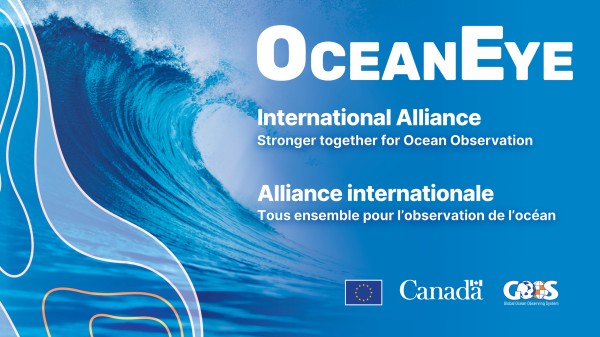
Although the ocean covers more than 70% of the Earth's surface, only around 5% has been thoroughly explored. Through the new OceanEye initiative, the European Union aims to change that. By 2035, Europe wants to become a global leader in ocean observation and marine technologies.
Despite covering most of our planet, the ocean remains largely unknown. Yet it plays a vital role in our daily lives. It regulates the climate, absorbs a significant share of the heat and CO2 generated by human activities, provides food, supports shipping and offshore energy production, and hosts an extraordinary diversity of life. Even so, scientists still know surprisingly little about what happens beneath the ocean surface.
With OceanEye, the European Commission aims to help close this knowledge gap. The ambitious initiative seeks to ensure that, by 2035, the European Union contributes 35% of the global ocean observing system and captures an equal share of the market for ocean observation technologies.
OceanEye is designed to provide policymakers, researchers, and businesses with reliable, up-to-date information on the state of the ocean. Such knowledge is essential for improving our understanding of climate change, forecasting extreme weather events, protecting marine ecosystems, and supporting the transition towards a more sustainable blue economy.
A more integrated Ocean Observation System
One of the biggest challenges facing ocean observation today is fragmentation. Data are collected by a wide range of research institutions, government agencies, and private organisations, often using different systems and standards. OceanEye aims to bring these efforts together within a single, integrated European framework. Existing initiatives such as the Copernicus Marine Service, the European Marine Observation and Data Network (EMODnet), and other marine data platforms will play a central role. The ultimate goal is to create a one-stop shop for high-quality ocean data and marine knowledge.
A key component of the initiative is the further development of the European Digital Twin Ocean: a virtual replica of the ocean that combines observations, models, and computing power to simulate ocean processes in near real time. The system is expected to be fully operational by 2030. It will enable researchers and policymakers to analyse and predict ocean currents, weather patterns, climate change impacts, and even the migration routes of marine species.
Innovation, partnerships, and public engagement
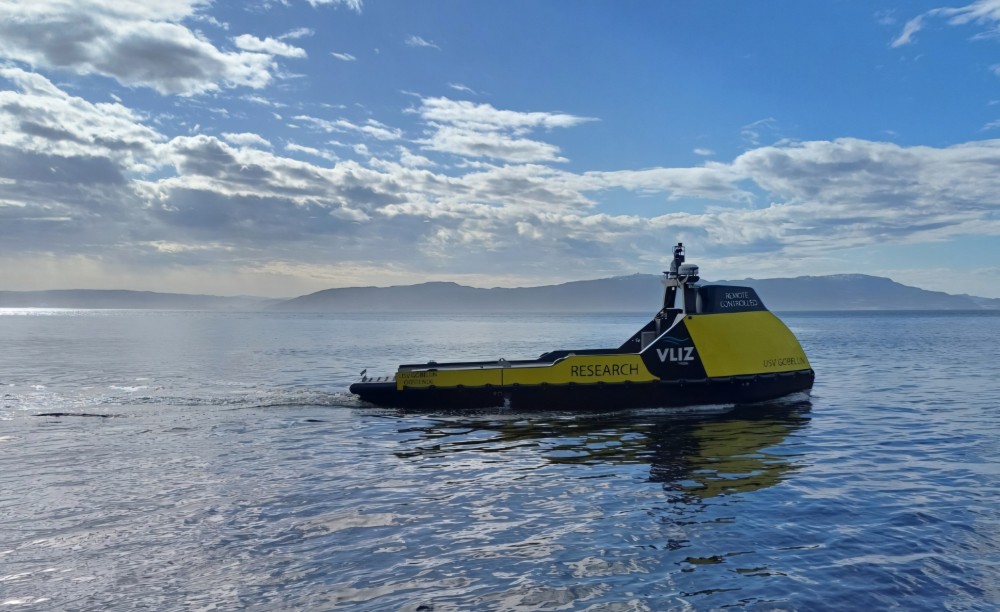
OceanEye also places a strong emphasis on innovation. New sensors, autonomous monitoring platforms, drones, underwater robots, and artificial intelligence applications will help make ocean observation more efficient and effective. To support these efforts, the European Commission is investing a total of €92 million through Horizon Europe, the EU's research and innovation programme. The aim is not only to advance scientific knowledge but also to accelerate the development and market uptake of new marine technologies.
At the same time, Europe is looking beyond its borders. Through a new international alliance, the EU will work with countries and organisations around the world to address gaps in the global ocean observing network. The deep sea, the Arctic, coastal regions, and large parts of the Southern Hemisphere remain insufficiently monitored. Strengthening the global observing system will contribute to a better understanding and management of the ocean on a planetary scale.
OceanEye also seeks to engage society more directly in ocean science. Through education, culture, and creative initiatives, ocean data will become more accessible and relevant to citizens. A New European Bauhaus (NEB) Ocean, Coastal and Island Communities Lab will bring together artists, designers, and scientists to explore innovative ways of communicating ocean knowledge. In addition, a dedicated OceanEye label will be introduced for infrastructure contributing to the initiative.
Looking ahead
With OceanEye, Europe is taking a closer look at the ocean than ever before. The observations made today could provide critical insights tomorrow for climate adaptation, ecosystem restoration, maritime safety, and a sustainable blue economy.
OceanEye is one of the first flagship initiatives under the European Ocean Pact, launched in 2025. Through this pact, the European Union aims to better align its ocean policies and place the ocean at the heart of its environmental, climate, and economic strategies.